In short
Conversion rate optimization (CRO) raises the share of visitors who buy, sign up or fill in a form, using data instead of guesswork. This guide covers why CRO matters, the five-step CRO process, A/B, multivariate and redirect tests, and the strategies that lift conversions: faster pages, simpler forms, clearer CTAs, personalisation and social proof.
Contents7 sections
What is conversion rate optimization (CRO)?
Conversion rate optimization (CRO) is the systematic process of increasing the percentage of website visitors who take a desired action, such as making a purchase, signing up for a newsletter or completing a form. It works by improving website design, content and user experience based on data, not guesswork.
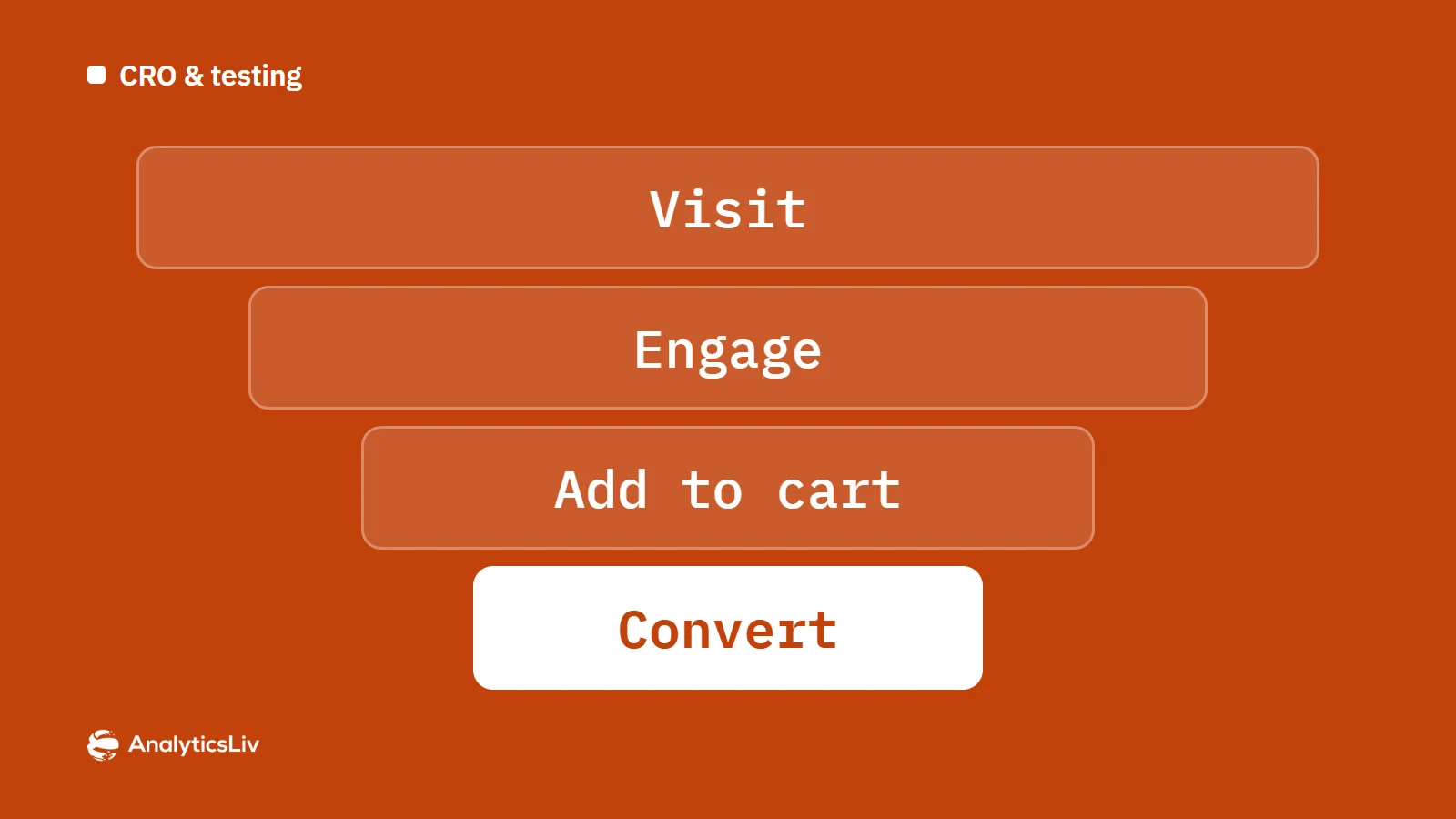
CRO is not just about tweaking your website’s design or running the odd A/B test. It is about understanding your users, their behaviour and their journey through the site. Through continuous testing, analysis and refinement, CRO turns casual visitors into loyal customers and gets more out of the marketing that brings them in.
Why is CRO important for business growth?
1. It gets more return from the same marketing spend
CRO directly affects your return on investment (ROI) by making better use of your existing traffic. Instead of spending more to acquire new visitors, you convert more of the visitors you already have. For example, if your site converts 2% of visitors into customers and CRO lifts that to 4%, you have doubled your sales from the same traffic.

2. It improves the user experience (UX)
A large part of CRO is improving the user experience. When visitors find your website easy to navigate, informative and pleasant to use, they are more likely to convert. CRO removes friction points in the user journey so potential customers can complete their desired actions quickly and easily. A better UX leads to higher engagement, lower bounce rates and higher conversion rates.
3. It replaces assumptions with data
CRO relies on data and analytics to understand what works and what doesn’t. Instead of making changes based on assumptions, you analyse user behaviour, run A/B tests and decide based on evidence. This lowers risk and means every change to the website is backed by data.

4. It keeps you competitive
Small improvements in conversion rate can have a large effect on sales. Businesses that prioritise CRO respond faster to changing customer preferences and can outperform competitors who neglect it.
What are the steps in the CRO process?
CRO runs as a cycle of five steps that repeats as you learn.
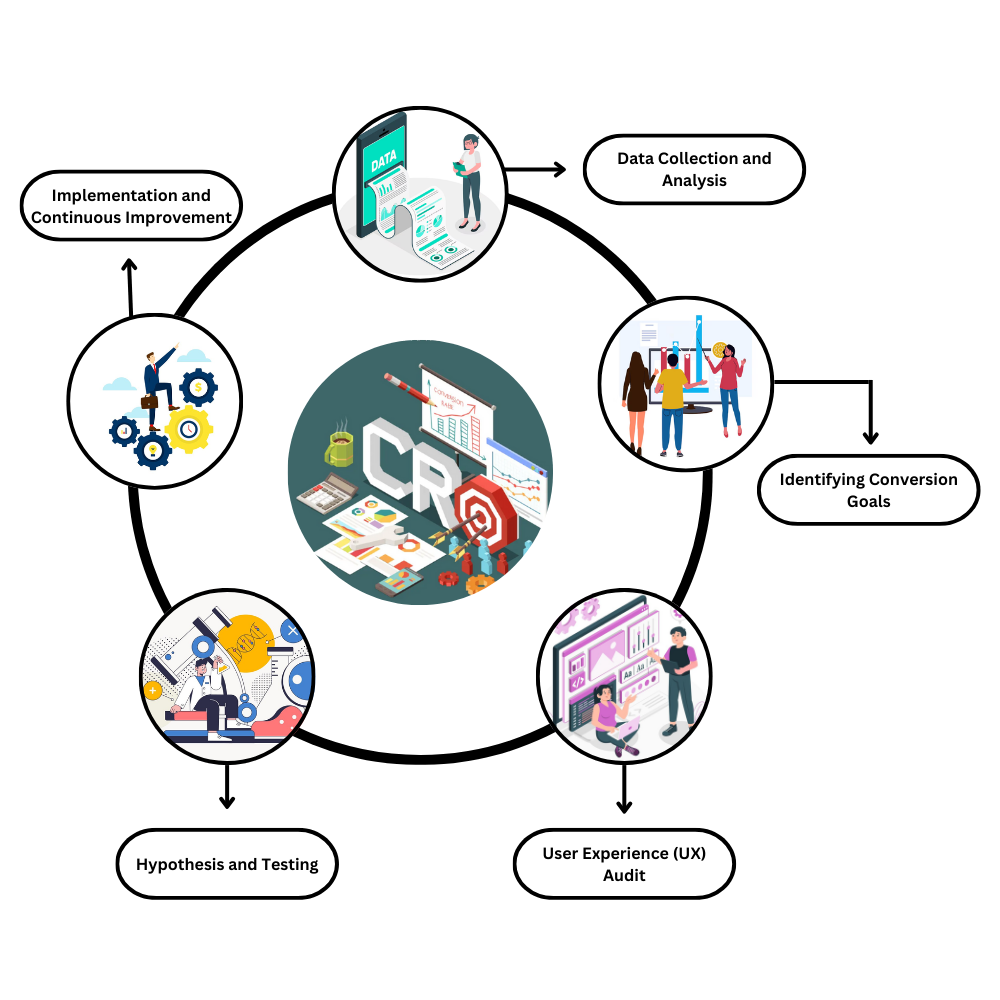
- Data collection and analysis: start by gathering and analysing data. Tools like Google Analytics show where your visitors come from, how they navigate your site and where you lose them. Heatmaps and session recordings, for example in Microsoft Clarity, add a deeper view of behaviour on the page.
- Identifying conversion goals: define clearly which actions count as a conversion. Is it a sale, a sign-up or a download? Your whole CRO strategy revolves around these goals.
- User experience (UX) audit: audit your website’s user experience for usability issues that could be holding conversions back, such as complicated navigation, slow loading times or a design that doesn’t adapt to mobile.
- Hypothesis and testing: based on the data and the UX audit, form hypotheses about why certain pages or elements underperform. Then test them, for example with an A/B test that compares two versions of a page or element.
- Implementation and continuous improvement: roll out the changes that won in testing. CRO is an ongoing process, so keep measuring, testing and optimising.
Which types of tests are used in CRO?
1. A/B testing
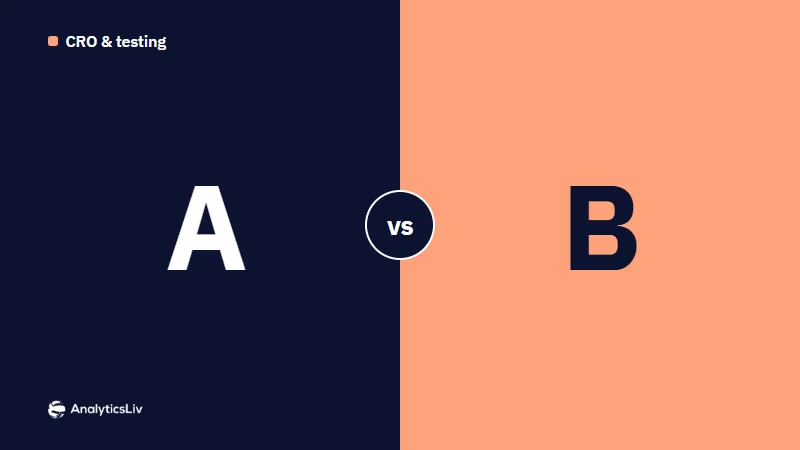
One of the most common CRO techniques, A/B testing creates two versions of a webpage and sends half of your traffic to each. By comparing how both versions perform, you can see which elements (such as headlines, images or CTAs) drive more conversions.
2. Multivariate testing (MVT)
Unlike A/B testing, which compares two versions, multivariate testing changes several elements at once to see which combination produces the best result. It is useful for complex pages with many variables.
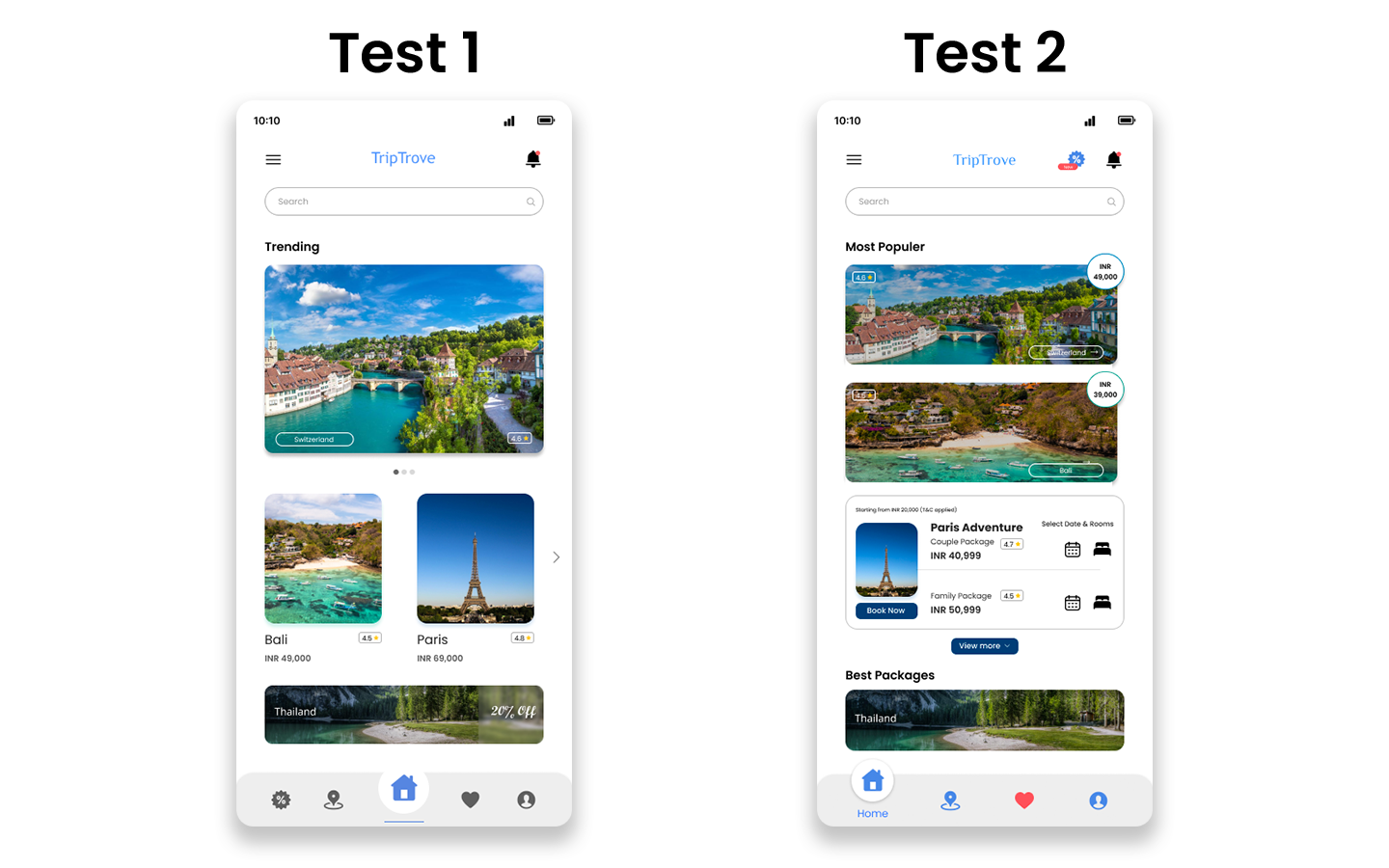
3. Redirect A/B testing
Redirect A/B testing (also called split URL testing) sends visitors to entirely different versions of a page, each on its own URL. It allows testing of different page designs, layouts and content head-to-head to see which version performs better.
For test ideas grounded in audience insights, see our post on A/B test ideas for marketers.
What do CRO tests tell you?
- Why visitors bounce: testing shows why users leave without taking action, so you can improve content, design and functionality to keep them engaged.
- How to raise customer lifetime value (CLV): better experiences do more than drive one conversion. Satisfied customers come back, buy again and recommend you.
- What your audience wants: tests reveal your audience’s preferences, behaviours and motivations. These findings can shape content marketing and product decisions too.
- What builds trust: a smooth, professional and reliable experience makes customers more likely to trust your brand and become repeat buyers.
What are the key strategies to improve conversion rates?
1. Optimise load time
Users have little patience for slow websites. Slow pages frustrate users, increase bounce rates and hurt your brand. Google’s research on mobile page speed found that the probability of a bounce increases by 32% as page load time goes from 1 second to 3 seconds. Use tools like Google PageSpeed Insights to find the fixes: optimise images, compress files and enable browser caching.
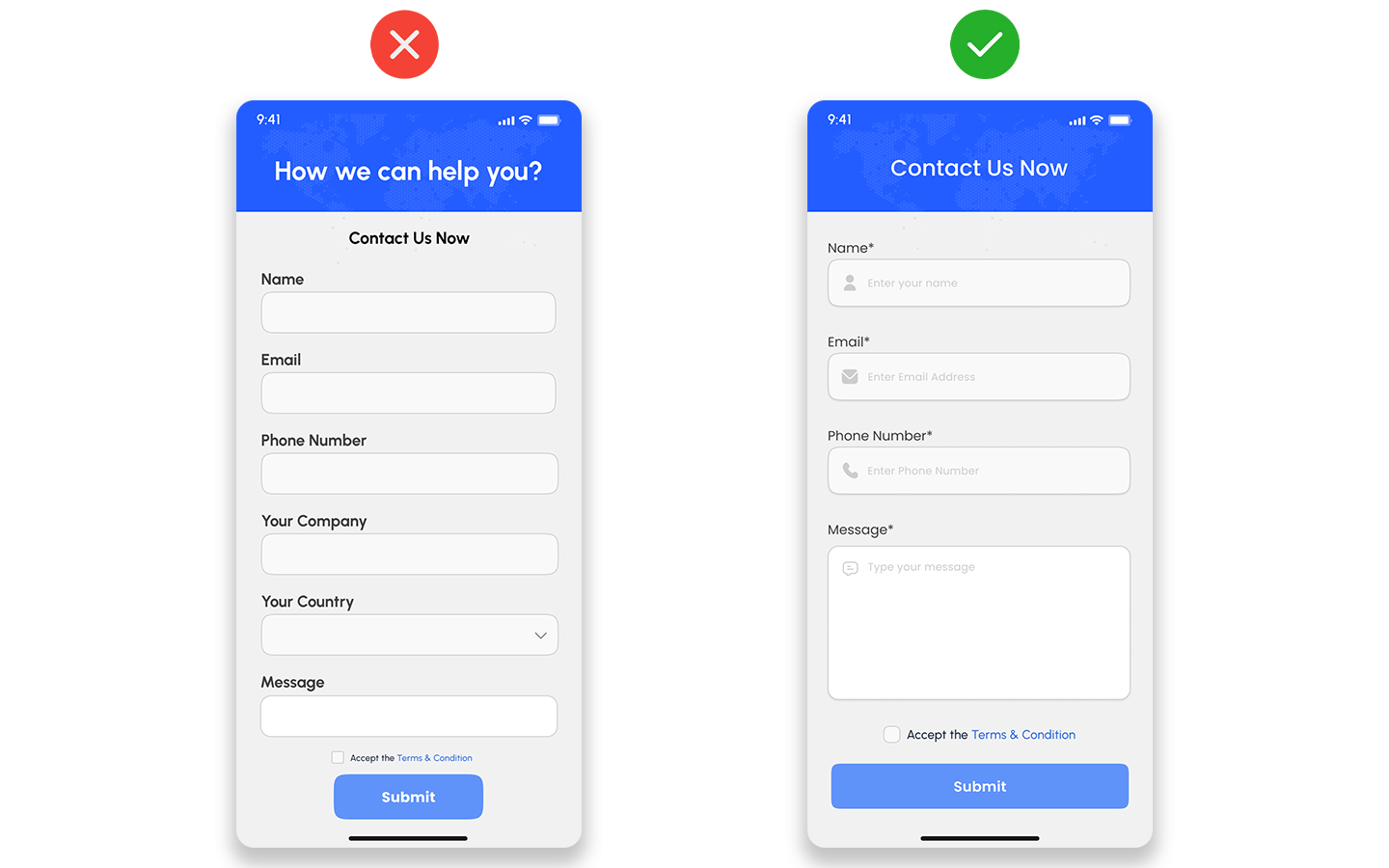
2. Simplify lead forms
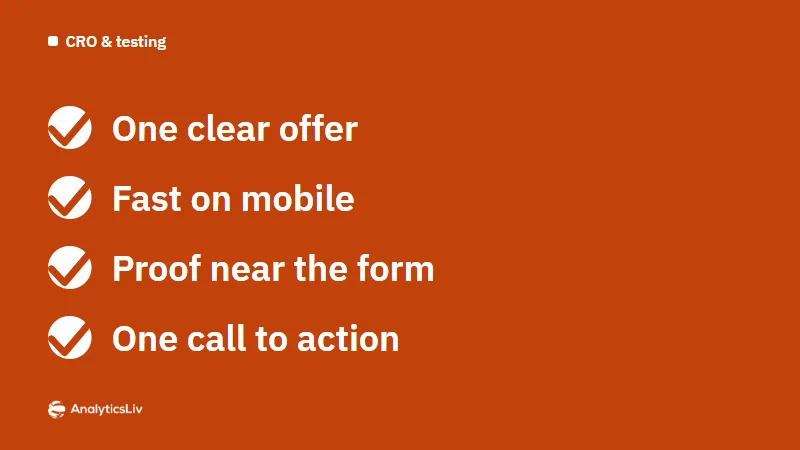
Forms are a common point of friction. Simplifying them, reducing the number of fields and making them mobile-friendly can lift conversions. Give clear guidance and error messages so users can complete forms without effort.
3. Refine your calls to action (CTAs)
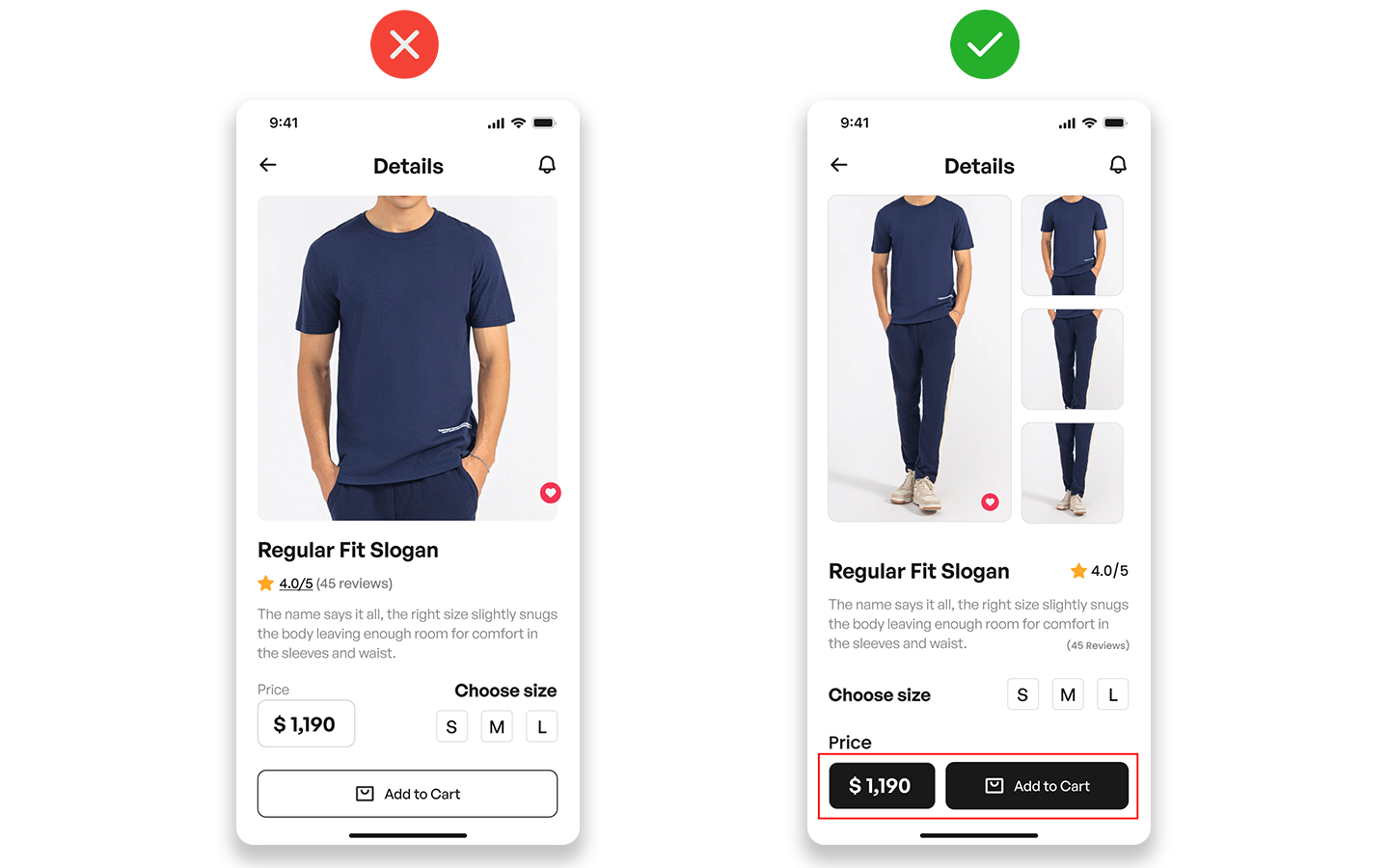
CTAs are a critical element in driving conversions. Make them prominent, compelling and aligned with the user’s intent. Use action-oriented language like “Get Your Free Quote” instead of just “Submit”, and make sure they stand out visually through colour contrast and placement.
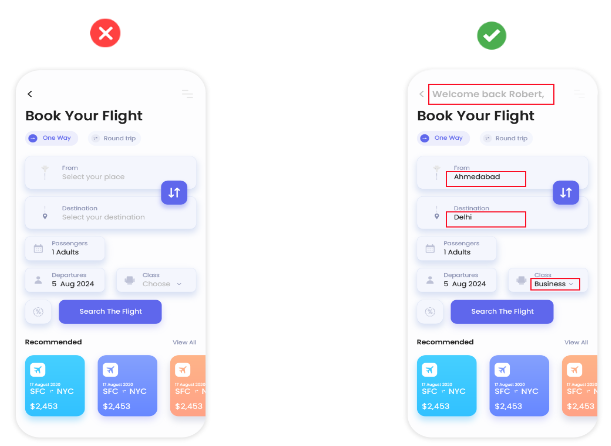
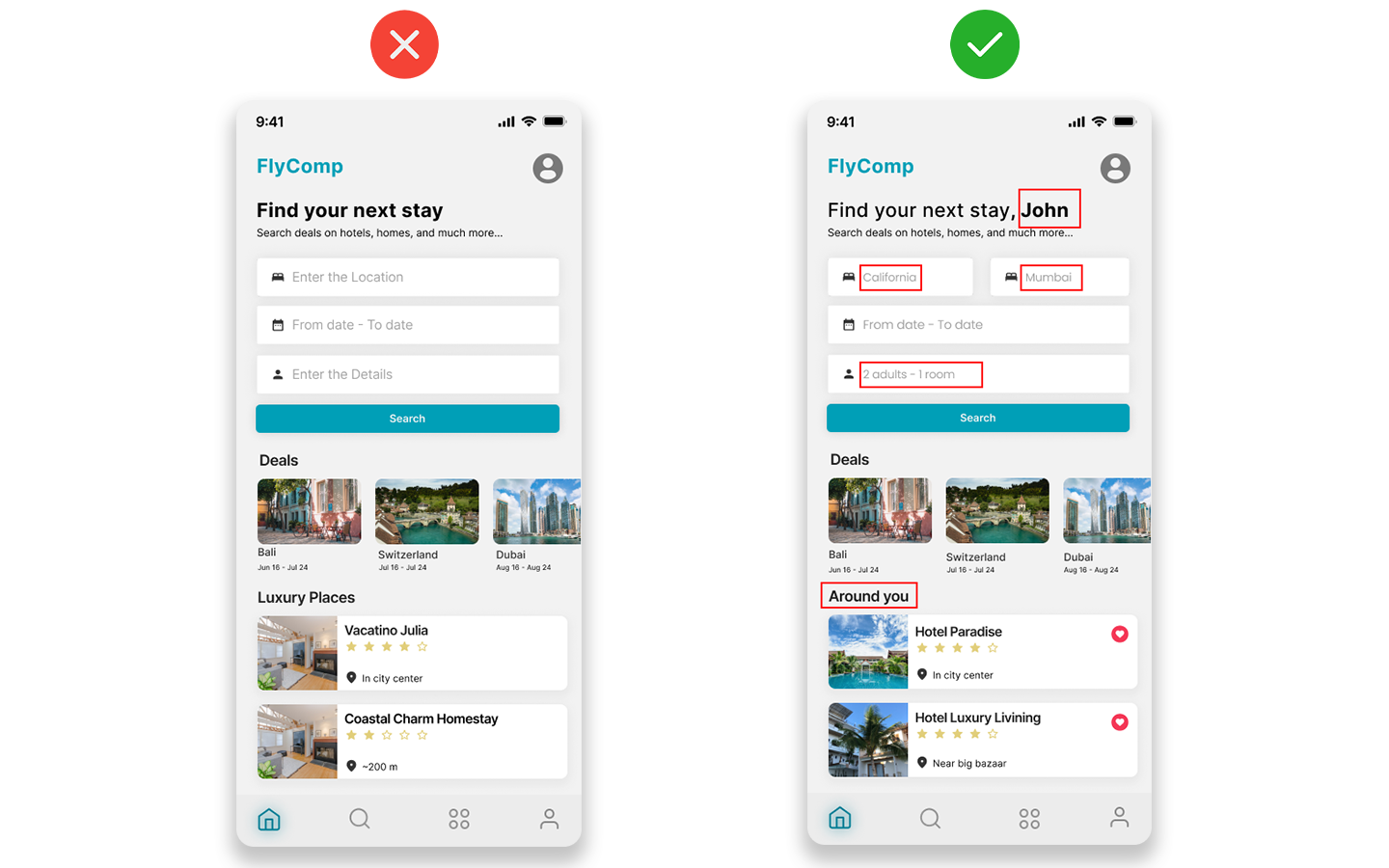
4. Personalise user experiences
Tailor your website content to the needs of different audience segments. Personalisation improves engagement and conversion rates by showing more relevant content based on behaviour, location or past interactions. It can include:
- Dynamic content that changes based on user behaviour
- Targeted audiences for email campaigns
- Personalised product recommendations
In the example below, a returning user is greeted by name and the booking form is pre-filled with their usual route and travel class, so there is less to type before searching.
5. Use social proof
- Testimonials and reviews: customer testimonials and reviews build trust and credibility and influence others to take the leap.
- Case studies and success stories: detailed accounts of how your product or service helped others reach their goals give tangible proof of its value.
6. Continuously test and iterate
Effective CRO is a constant cycle of testing, learning and refining. Keep running A/B tests, assess the outcomes and refine your approach. What works today may not work tomorrow, so consistent testing is how you stay ahead. Avoid the common CRO mistakes along the way.
Conclusion
Conversion rate optimization is a core part of modern digital marketing. It drives growth by getting more value from your existing traffic, improving user experience and giving you data for better decisions. By focusing on CRO, businesses can improve customer satisfaction, reduce acquisition costs and build long-term success.